01
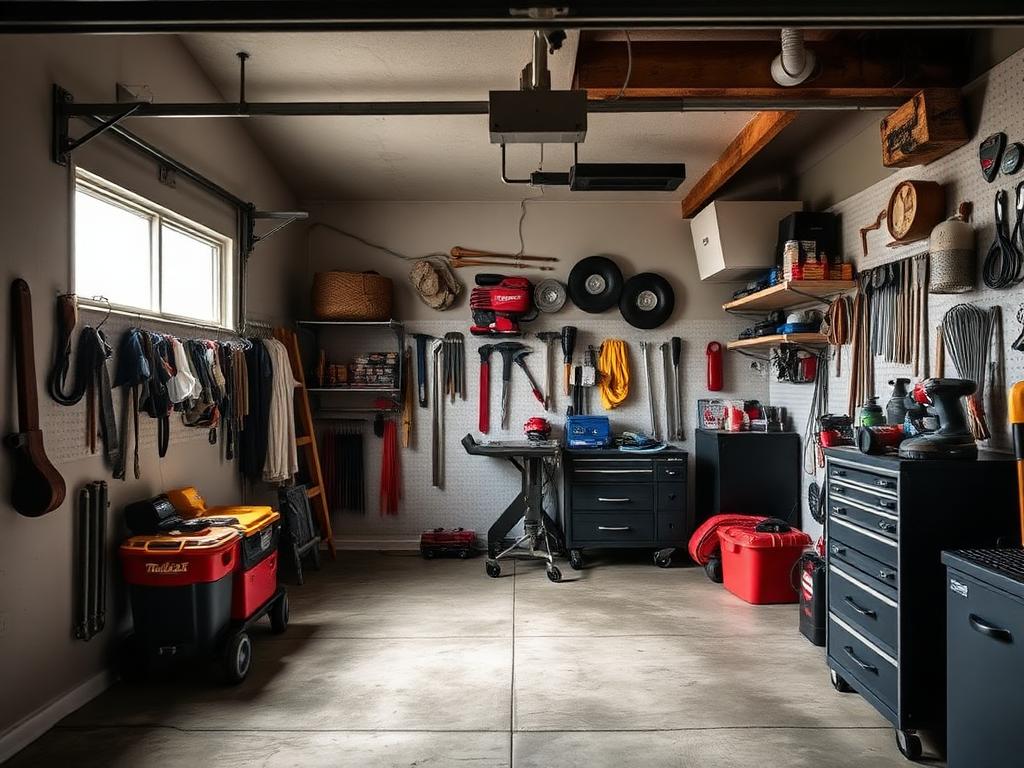
Garages
Stored gear, low foot traffic, and dust create overlooked exposure zones.
Learn how exposure can happen — and the simple prevention steps experts recommend for homes, garages, cabins, RVs, and storage spaces.
A plain-language overview — no panic, no medical advice. Just the practical context homeowners and outdoor families should understand.
It's most often associated with certain wild rodents and the materials they leave behind in enclosed spaces.
Exposure can happen when contaminated dust is disturbed in spaces with poor ventilation.
Simple prevention habits and the right cleanup practices dramatically reduce risk.
Six of the most common environments where rodent-related dust and debris accumulate unnoticed.
Stored gear, low foot traffic, and dust create overlooked exposure zones.
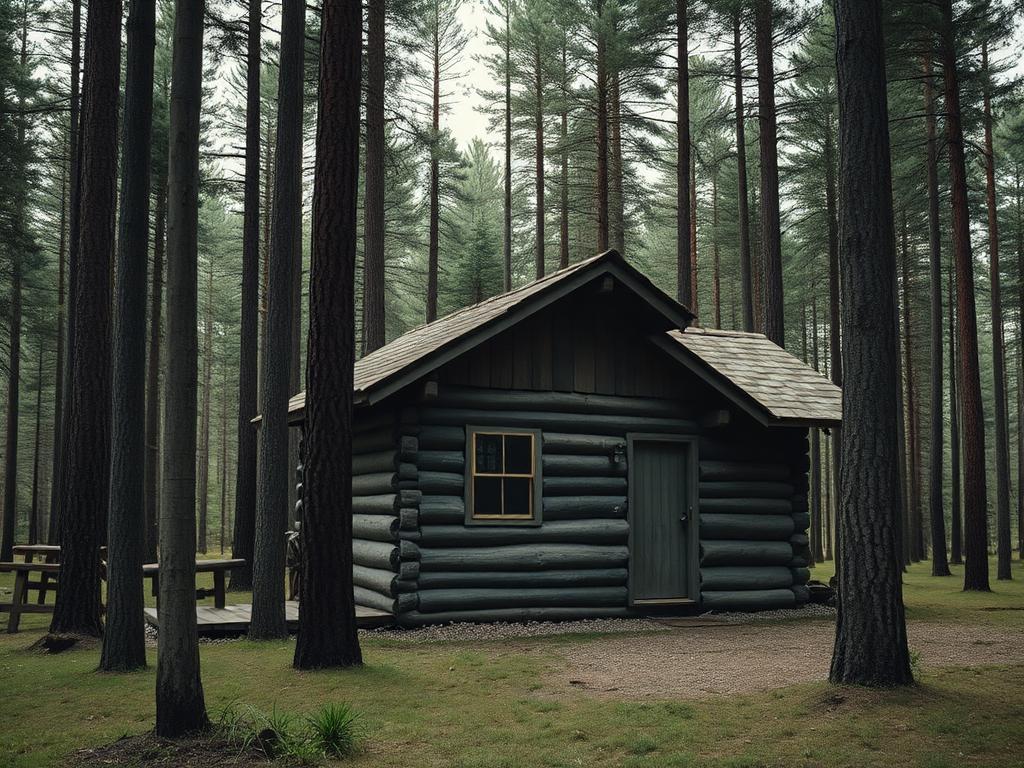
Seasonal use means rodents may move in long before you arrive.
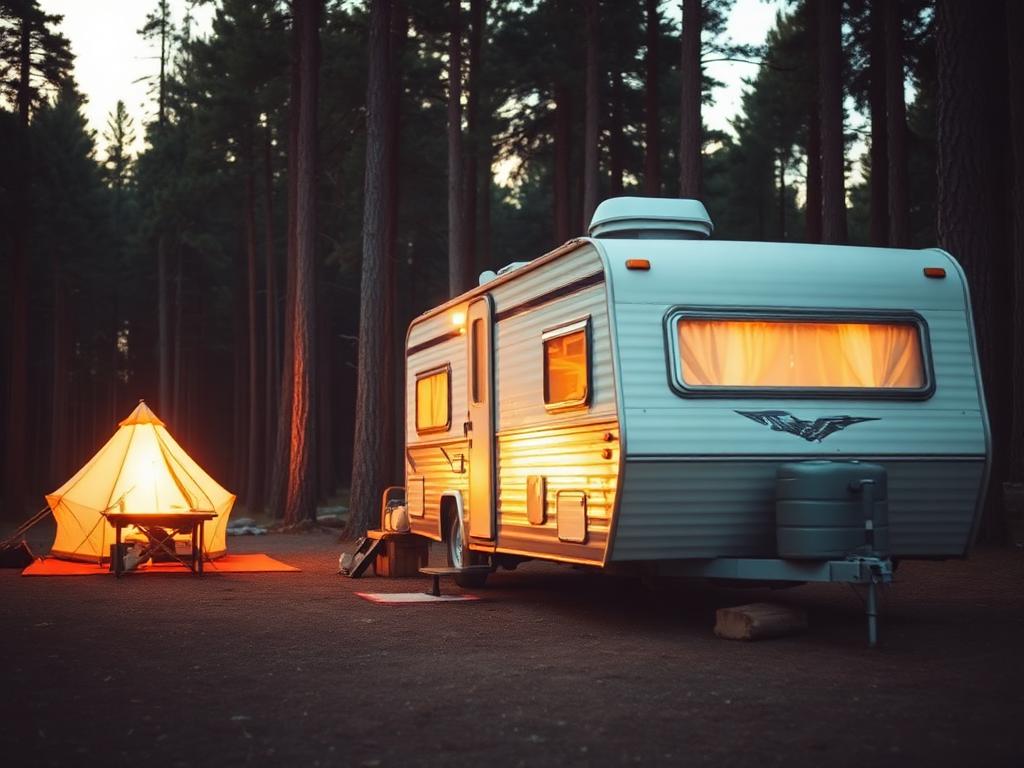
Tight, sealed interiors that sit unused for weeks are common entry points.
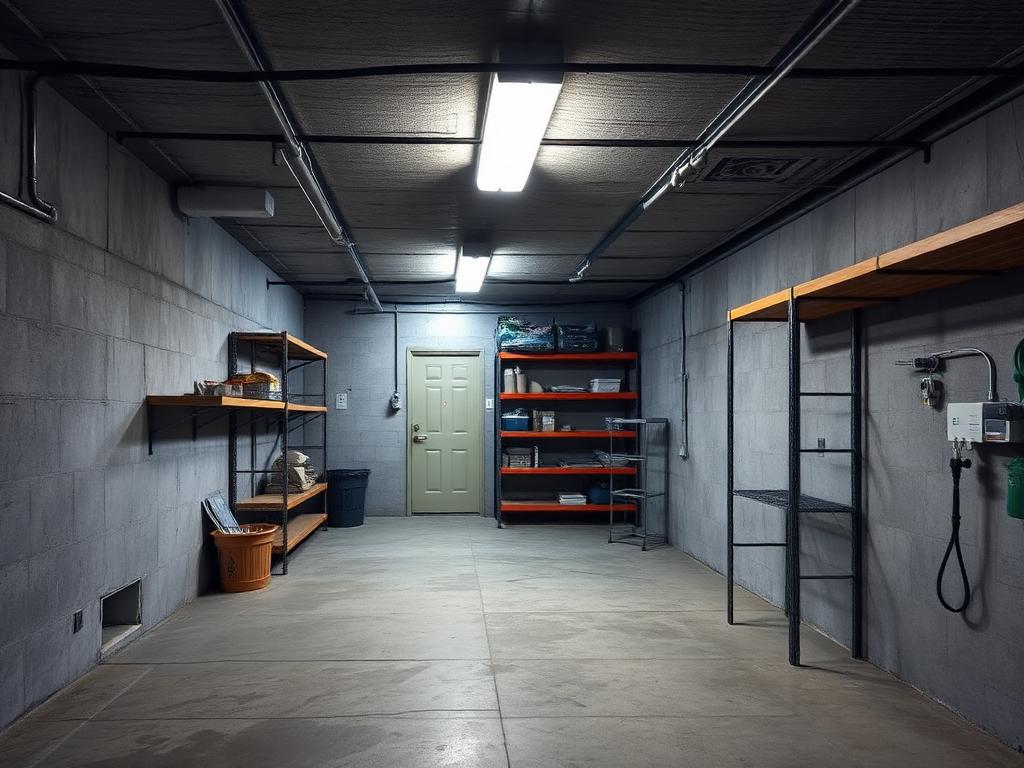
Cool, dark, and humid — ideal nesting conditions if entry points exist.
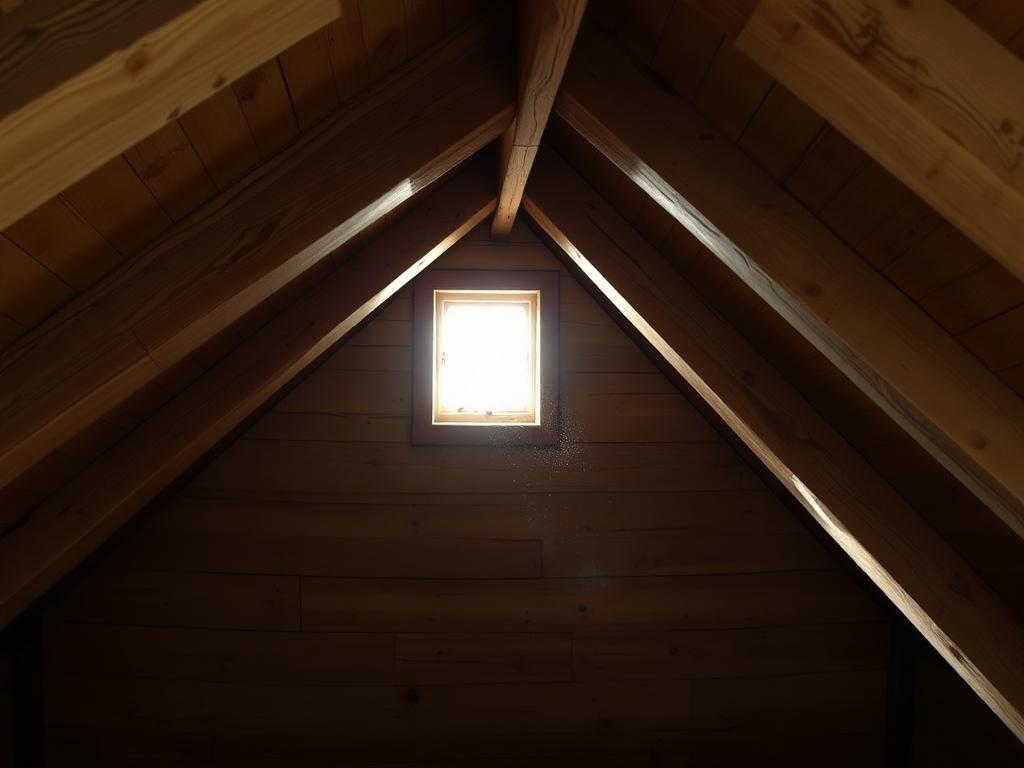
Insulation and old storage often hide droppings for months at a time.
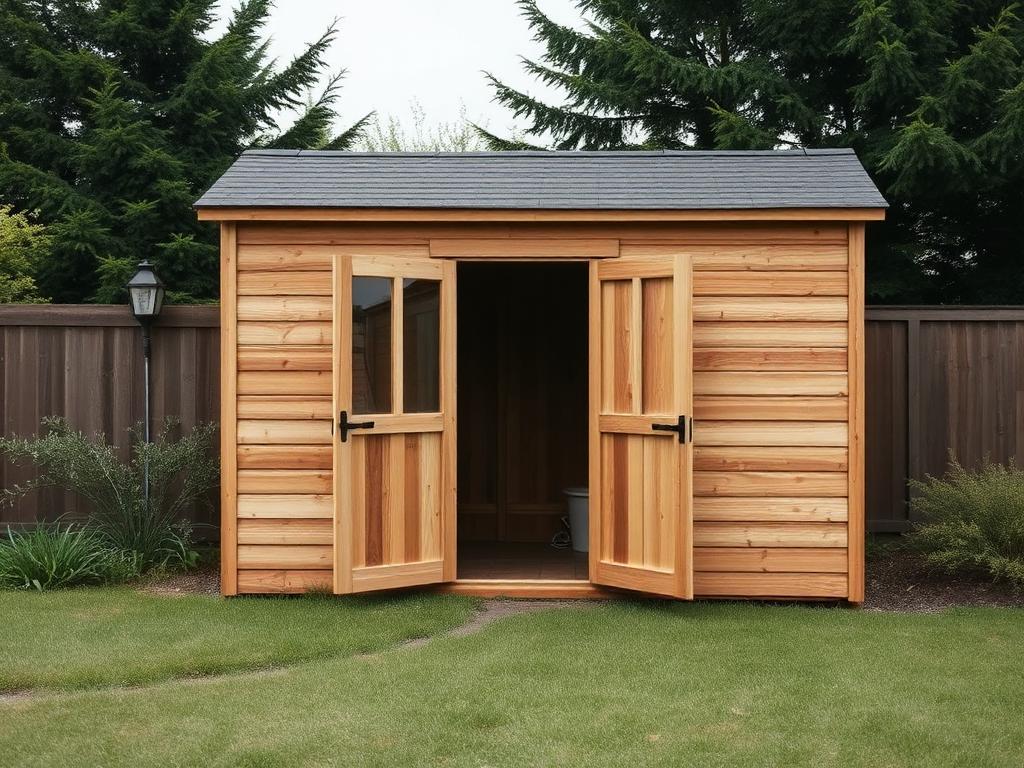
Outdoor sheds are a frequent overlap zone between people and wildlife.
Standard vacuums can aerosolize dust particles instead of containing them.
Cleaning sealed spaces without airing them out first concentrates disturbed dust.
Brooms in dusty enclosed spaces lift fine particles into the breathing zone.
Handling contaminated materials without gloves and a properly fitted mask.
Download the free safety handbook used by homeowners, outdoor families, and preparedness-minded travelers.
A repeatable checklist you can run before any seasonal opening or cleanup.
Open enclosed spaces 30+ minutes before entering or cleaning.
Use disposable rubber or vinyl gloves for any contact with debris.
Properly fitted respirators when working in dusty enclosed areas.
Spray with disinfectant and wipe — never sweep or vacuum dry.
Hard-sided, lidded containers in cabins, RVs, and pantries.
Seal gaps the size of a pencil — that's all rodents need.
A short, practical list — the gear we recommend for safer cleanup and seasonal preparedness.
Protect your home, family, cabin, and storage spaces with practical prevention knowledge.
Get the Free Safety Handbook